
Science with S(e)oul:
As chemists, environmental scientists, and engineers turned distillers, we hang out at the intersection of science and craft, where precision isn’t just about getting it right—it’s about making it remarkable. We’ve perfected rice fermentation by blending age-old methods with scientific craftsmanship and a deep respect for nature, creating spirits that feel deeply personal and refreshingly new. It’s not just the process that brings us joy—it’s knowing we’ve made something worth sharing.
Soju distillation the NAMU way
-
Prepare the rice
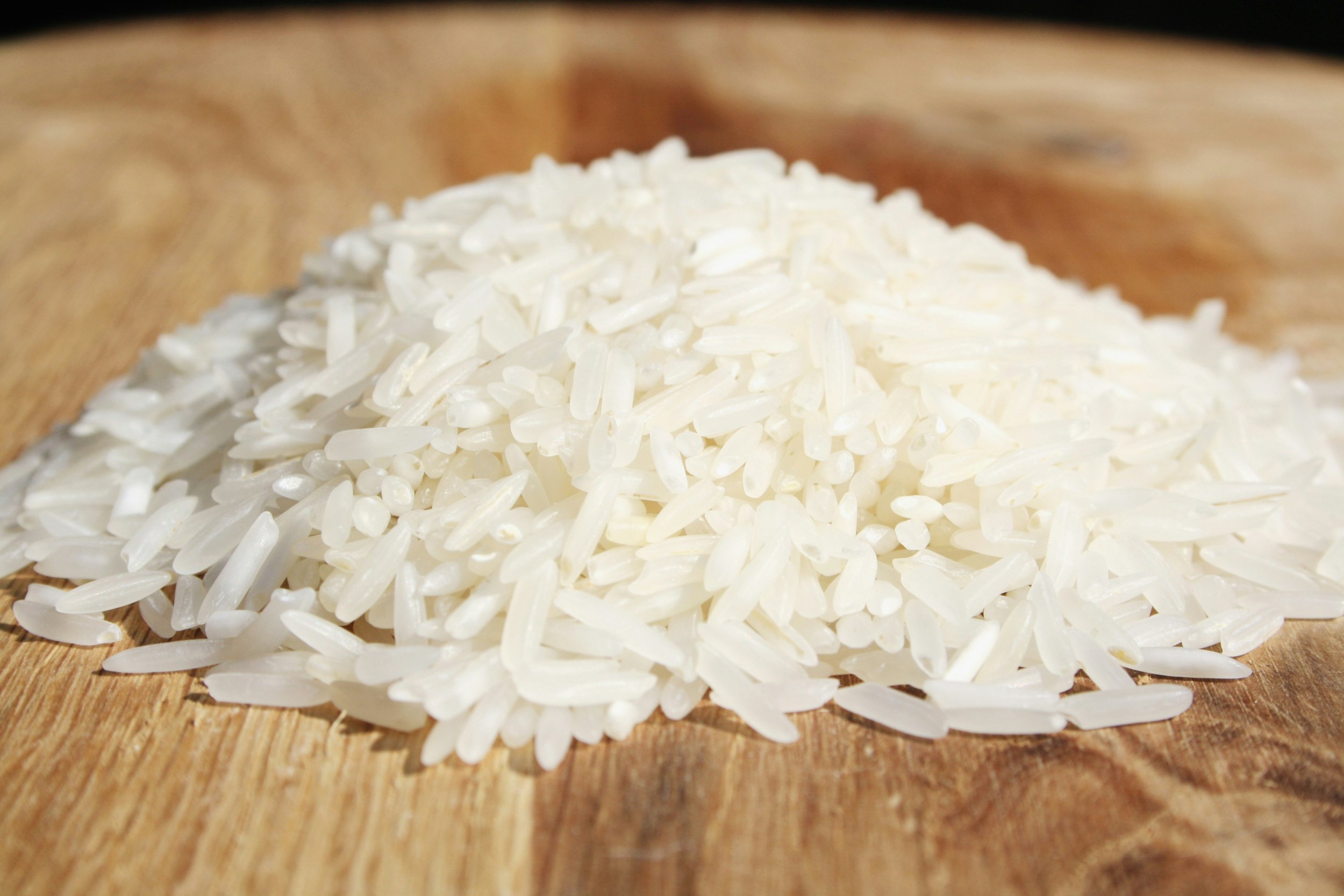
Rice is the backbone of good soju, specifically glutinous rice in our case. We need to lightly steam our rice before using it to brew rice wine so that water can begin to infiltrate the grains. Without this step, the rice would not ferment well into alcohol. We also want to ensure the grains of rice stay intact which allows us to control the fermentation process better.
-
Ferment rice wine aka makgeolli (막걸리)
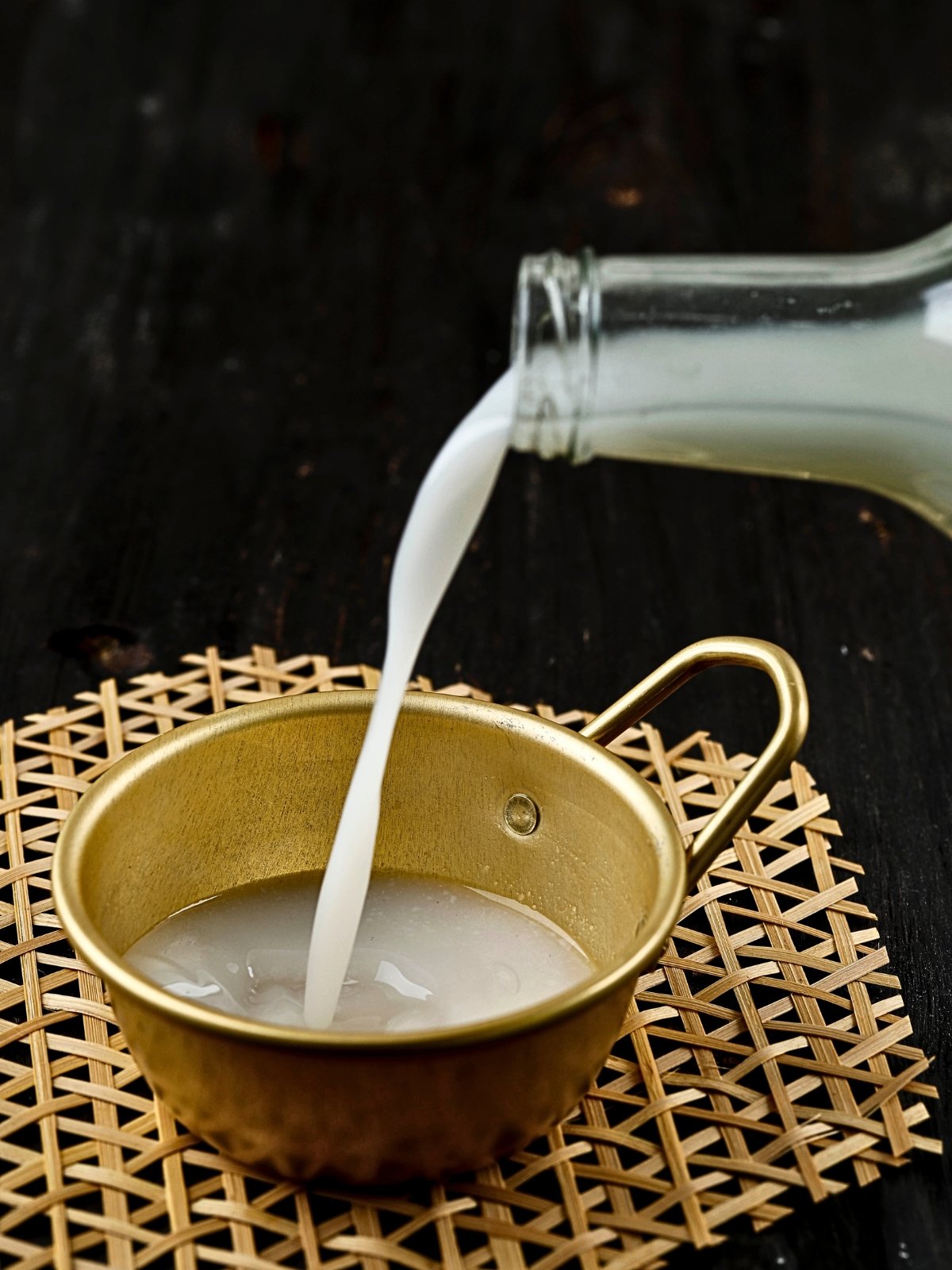
Nuruk (누룩), is the key to fermenting good makgeolli (aka Korean rice wine). Nuruk is a traditional fermentation starter for makgeolli because it contains enzymes that can break down rice’s complex starches while simultaneously converting those starches into alcohol. This simultaneity is what separates makgeolli from other type of rice wine like sake. Fermentation takes 2-3 weeks.
-
Distill soju!
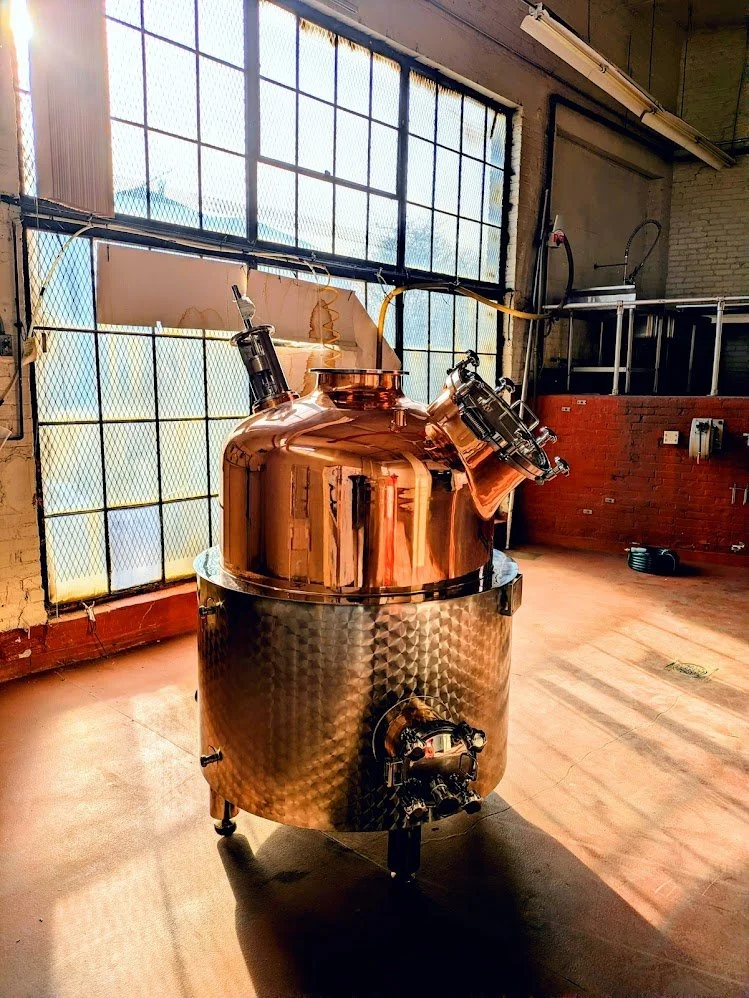
Once the makgeolli is done fermenting it’s time to put it into our beautiful copper still, crank the heat, and begin separating the alcohol and aromatic compounds in the makgeolli from the water and fermentation byproducts. Distillation is fundamentally a separation process that relies on differences in vapor pressure and solubility, so it’s a good thing that we’re chemists and chemical engineers!
Korean-American Gin Distillation
-
Ferment makgeolli according to the soju process
See above
-
Steep select botanicals
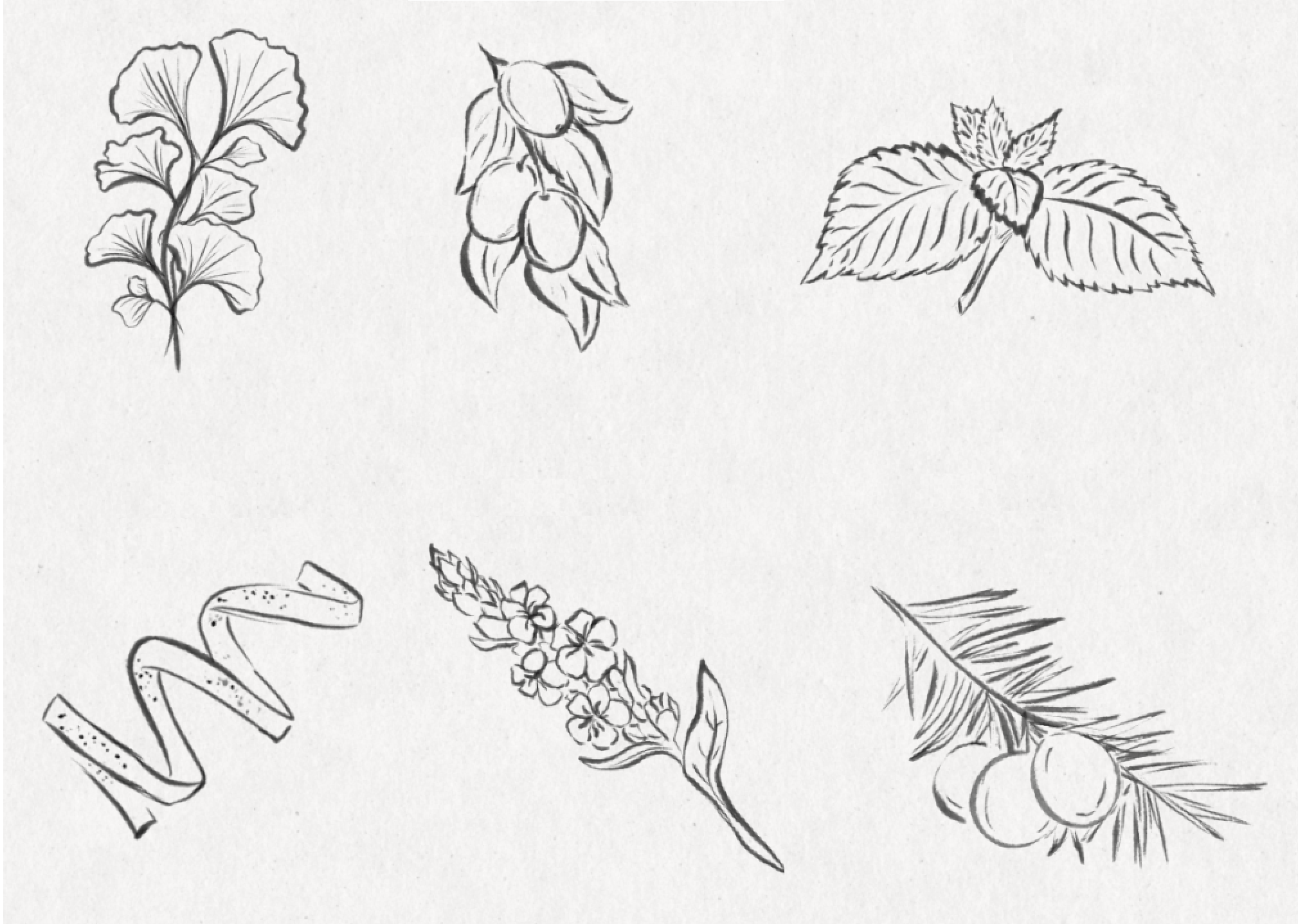
Gin is such a fun and flexible spirit because we can let our imaginations run wild with nearly infinite potential botanicals. Our flagship gin is truly one-of-kind with a secret blend of Korean and New England botanicals, full of citrus and floral aromas. This isn’t your classic tired London Dry Gin at all, it’s something much better.
-
Distill with a gin basket
Some botanicals impart their flavors and aromatic compounds better when they are infused into alcohol vapor during the distillation process. Citrus is commonly added to a gin basket for this reason.